Atlético Goianiense vs Sport Recife Tactical Stats Analysis: Why Possession Failed in Brasileirão Série B 2026
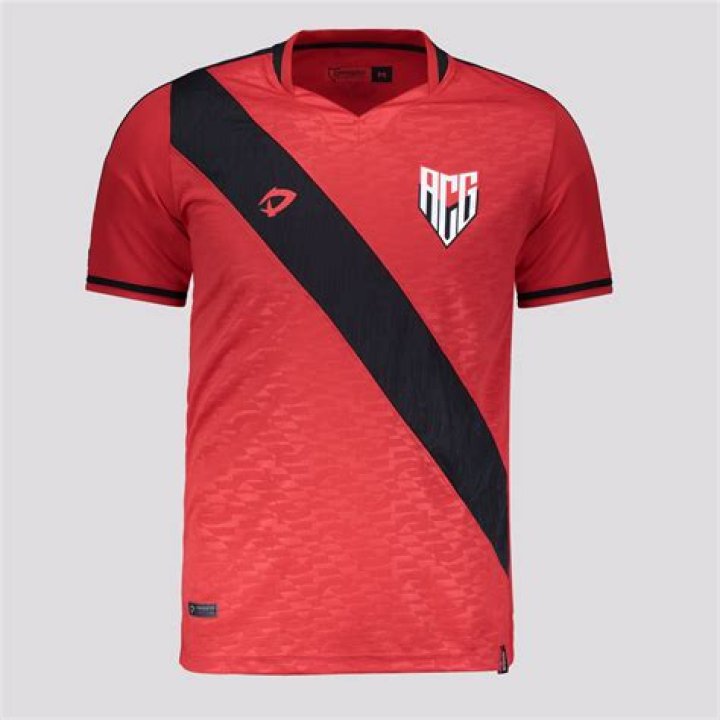
Sport Recife vs Atlético Goianiense in the Brasileirão Série B produced a classic analytics warning: possession is not control. Atlético Goianiense had more of the ball, more passes, more final-third entries and more corners, yet Sport Recife generated the sharper attacking profile, the higher expected goals and the more valuable penalty-box actions. The match became a tactical case study in sterile possession versus vertical threat.
Heading: The headline numbers show Atlético had the ball, but Sport had the danger
Atlético Goianiense finished with 56% possession, 414 passes and 64 final-third entries. On the surface, those are control metrics. They suggest a team able to circulate, advance and keep the opponent pinned back. But the deeper layer tells a very different story.
Sport Recife, with only 44% possession and 319 passes, produced 14 total shots to Atlético’s 10, five shots on target to Atlético’s two, and a superior expected goals total of 1.69 against 1.13. Even more importantly, Sport created four big chances while Atlético created only one. That gap is the clearest evidence that the visitors were not merely counterattacking; they were repeatedly accessing higher-value zones.
| Metric | Atlético Goianiense | Sport Recife |
|---|---|---|
| Possession | 56% | 44% |
| Expected Goals | 1.13 | 1.69 |
| Total Shots | 10 | 14 |
| Shots on Target | 2 | 5 |
| Big Chances | 1 | 4 |
| Touches in Opposition Box | 16 | 28 |
Heading: Atlético’s possession became predictable, not progressive
The central problem for Atlético was not volume. They had plenty of it. The problem was the quality of progression. Their 414 passes and 342 accurate passes gave them rhythm, but Sport were comfortable allowing that rhythm to exist outside the most damaging areas.
Atlético entered the final third 64 times compared with Sport’s 48, yet Sport had 28 touches in the penalty area while Atlético had only 16. That mismatch exposes the failure of Atlético’s territorial game. They moved into advanced zones, but they did not consistently break the defensive line or arrive with enough bodies in scoring positions.
The final-third phase numbers reinforce that point. Atlético completed 71 of 117 final-third actions, a 61% rate, while Sport completed 66 of 97 at 68%. Atlético had more attempts to build around the box; Sport were cleaner and more purposeful once they got there.
Heading: The difference was vertical penetration
Sport completed two through balls; Atlético completed none. In a tight Série B match, that is more than a minor passing detail. It reveals how each team tried to access the goal. Atlético leaned on circulation, crosses and territory. Sport used more direct rupture actions, attacking the spaces behind or between defenders.
Atlético did produce six accurate crosses from 17 attempts, a solid 35% success rate, while Sport completed only two from 18. But crossing efficiency did not translate into shot quality because Atlético’s box occupation was weaker. Sport, despite poorer crossing numbers, created more central danger and finished with 12 shots inside the box compared with Atlético’s seven.
Heading: Sport’s shot map was more threatening and less dependent on possession
Sport’s attacking output had the shape of a team that knew exactly when to accelerate. They attempted 14 shots, with 12 coming from inside the box. That means 86% of their shots came from high-value areas. Atlético, by contrast, took seven of their 10 shots inside the box and three from outside.
The shots on target gap was equally important. Sport forced three goalkeeper saves and put five efforts on target, while Atlético managed only two. Atlético’s goalkeeper had to intervene more often because Sport’s attacks ended in cleaner final actions. Sport also missed three big chances, which suggests the scoreline or final margin could have tilted further in their favour had their finishing matched their chance creation.
Heading: Atlético’s xG deficit came from defensive exposure
Atlético’s 1.13 xG was respectable, but Sport’s 1.69 xG was built through repeated access to prime zones. The visitors created four big chances and scored one of them, while Atlético created and converted one. The issue for Atlético was not that they failed to generate anything; it was that they allowed Sport to generate too much from fewer possessions.
That is the tactical definition of losing pitch control: not being out-possessed, but being out-accessed. Sport reached the box more often, shot more often, hit the target more often and created four times as many big chances.
Heading: The first half set the warning signs
At half-time, Atlético already had the statistical profile of a team controlling the ball without fully controlling the match. They held 54% possession and attempted 209 passes, but Sport had more shots, more shots on target, more big chances and higher xG.
The first-half expected goals read 0.74 for Atlético and 1.10 for Sport. Sport had nine shots to Atlético’s seven and three on target to Atlético’s two. Most importantly, Sport created two big chances before the interval while Atlético created one. Atlético’s early possession did not stop Sport from finding the better moments.
Heading: The second half made Atlético’s control problem clearer
After the break, Atlético increased their possession share to 59% and completed 205 passes to Sport’s 142. They also won more tackles, improved their duel performance and had four corners to Sport’s two. Yet the attacking gap remained.
Sport still produced five second-half shots to Atlético’s three, two shots on target to Atlético’s zero, and two big chances to Atlético’s none. That is the most damaging section of the match for Atlético’s tactical review. With more ball, more territory and better duel numbers after the interval, they still failed to create a single big chance in the second half.
Atlético’s second-half xG was only 0.39. Sport, despite less possession, generated 0.59. The numbers point to a structural problem: Atlético’s possession did not accelerate at the right moments, while Sport’s attacks retained threat even with fewer sequences.
Heading: Duels shifted, but control did not follow
The overall duel numbers ended level at 50% each, but the game changed by halves. Sport dominated first-half duels, winning 61% overall and 66% of ground duels. That helped them disrupt Atlético’s rhythm and launch cleaner attacking transitions.
Atlético responded in the second half, winning 57% of duels and 57% of ground duels. They also dominated aerially after the break, winning 60% of aerial duels. But this physical improvement did not become attacking control. It gave Atlético more ball recoveries and more second balls, not enough final-third incision.
Heading: Sport’s dribbling gave them better separation
Sport completed nine dribbles from 15 attempts, a 60% success rate. Atlético completed only four from 17, just 24%. That contrast is vital. When possession structures are tight, successful dribbles create the first crack in a defensive block. Sport had players capable of beating pressure and turning possession into advantage. Atlético had possession, but not enough individual or collective disruption.
Sport were dispossessed eight times compared with Atlético’s two, which shows they took more risk in forward areas. But that risk was productive. Their higher dribble success, through balls and box-touch volume all point to a more aggressive attacking plan.
Heading: Atlético defended often, even while having the ball
Atlético made 24 clearances compared with Sport’s 17 and recorded nine interceptions to Sport’s five. Those numbers suggest Atlético had to defend their own box and transitional spaces more than their possession share would normally imply.
Sport’s 28 touches in the penalty area forced Atlético into repeated emergency defending. Atlético’s back line cleared often, the goalkeeper made three saves, and the team committed tactical fouls to slow Sport’s breaks. This was not the profile of a side calmly managing the pitch.
There was also a decisive error element: Sport were charged with one error leading to a goal, but Atlético still could not convert that momentum into territorial dominance. That underlines the match’s broader theme. Atlético were given openings, yet Sport remained the more dangerous attacking side over the full game.
Heading: Why Atlético Goianiense failed to control the pitch
Atlético failed to control the pitch because their control was mostly numerical, not functional. They had more possession, more passes and more final-third entries, but those advantages did not translate into pressure inside the penalty area or repeated high-quality shots.
There were four main tactical reasons:
- Limited central penetration: Atlético recorded zero through balls, making their attacks easier to read and defend.
- Insufficient box occupation: They had only 16 touches in the opposition penalty area, while Sport had 28.
- Poor one-v-one disruption: Atlético completed just 24% of their dribbles, reducing their ability to break defensive lines.
- Transition vulnerability: Sport produced more shots, more shots on target and four big chances from less possession.
Heading: Tactical verdict
This was a match where Atlético Goianiense controlled the ball but not the game state. Their passing volume created the image of authority, yet Sport Recife controlled the more valuable spaces: the penalty area, the shooting lanes and the moments of acceleration.
For Atlético, the postmortem is clear. Possession must become penetration. Final-third entries must become penalty-box occupation. Crosses must be supported by better movement, and midfield circulation must include more line-breaking passes. Without those upgrades, Atlético can dominate the spreadsheet’s possession column and still lose the tactical argument.
Sport Recife’s performance, meanwhile, was a reminder that in Brasileirão Série B 2026, efficiency of access often matters more than control of the ball. They did not need the majority of possession to dictate the match’s danger. They needed only the better routes to goal — and the numbers show they found them more often.
